Exosomes Hair Treatment

Hair loss treatment technology has entered an entirely new chapter. Where PRP and mesotherapy once represented the frontier of regenerative hair restoration, exosome therapy now pushes the boundary further into cellular-level repair. If you’ve cycled through conventional hair fall treatments without the density improvement you expected, exosomes hair treatment offers a fundamentally different biological approach, one that works through intercellular communication rather than your own blood components.
At Nikky Bawa Medi Salon, Dr. Sahiba Bawa brings exosome-based hair restoration to Bhopal. This is not a rebranded version of PRP with a higher price tag. Exosomes operate through a distinct biological mechanism, recruiting dormant follicles by delivering concentrated signalling molecules directly to the scalp tissue.
We operate from Ajay Tower, E 5/1, Bittan Market, Bhopal, Madhya Pradesh 462016.


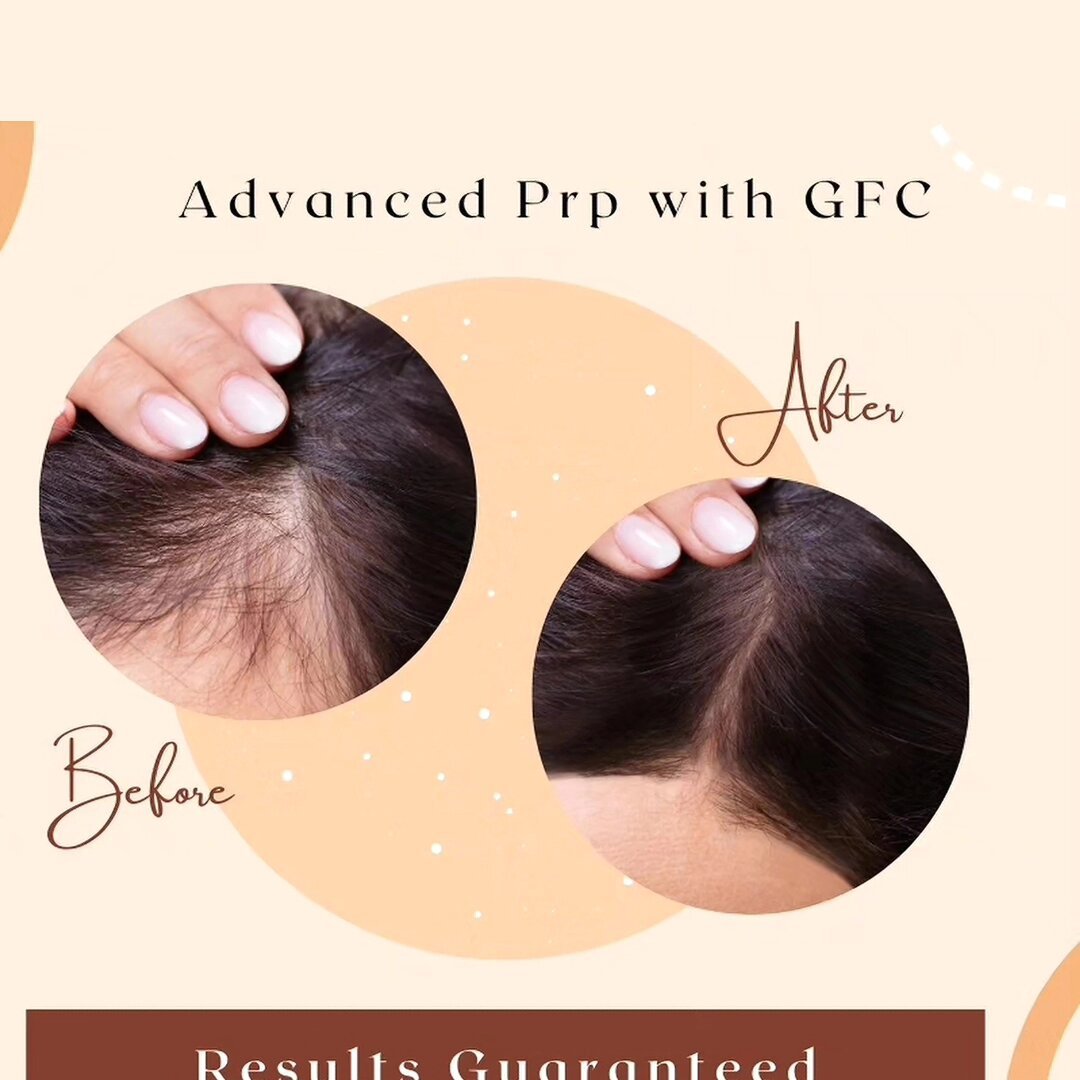


What Are Exosomes and How Do They Work for Hair?
How does exosome therapy differ from PRP for hair loss?
Understanding how exosomes work requires a brief look at cell biology. Exosome vesicles are tiny extracellular particles, roughly 30 to 150 nanometres in diameter, released naturally by cells. They carry proteins, lipids, messenger RNA, microRNA, and growth factors that function as biological courier packages between cells. When one cell needs to communicate instructions to another, exosomes are the delivery mechanism.
In exosome therapy for hair, these vesicles are harvested from mesenchymal stem cell cultures under certified laboratory conditions, then injected into the scalp at specific depths across the thinning areas. Once in the tissue, the vesicles fuse with hair follicle cells and deliver their cargo of regenerative signals.
What the exosome cargo actually does for your follicles?
- Dermal papilla cell proliferation increases — the primary driver of new hair shaft production
- The anagen (growth) phase of the hair cycle extends, meaning each follicle produces hair for a longer duration before resting
- Vascularity around the follicle improves, delivering more oxygen and nutrients to support active growth
- Specific microRNAs (including miR-21, miR-24, and miR-125b) upregulate genes involved in cell proliferation and downregulate genes associated with apoptosis (programmed cell death) in hair follicle dermal papilla cells — essentially reprogramming the cellular environment at the genetic level to favour follicle survival and activity
Critical Distinction from PRP and Why It Matters
PRP concentrates growth factors from your own blood. This means the concentration, quality, and regenerative potency depend entirely on your individual blood composition, age, and health status. Exosomes provide a standardised, laboratory-verified dose of concentrated regenerative signalling molecules regardless of your personal blood quality. Patients who have completed multiple PRP sessions without meaningful improvement frequently respond better to exosome therapy.
Quality standardisation is exosome therapy’s most underappreciated advantage. Each vial contains a precisely quantified concentration of vesicles, verified through nanoparticle tracking analysis, protein quantification, and growth factor profiling. What you receive is what the laboratory verified — every single time.
The scientific foundation for exosome therapy in hair restoration has grown substantially since 2020. Over 40 peer-reviewed studies have examined the effects of mesenchymal stem cell-derived exosomes on hair follicle biology. The consistency of findings like increased dermal papilla cell proliferation, extended anagen phase duration, improved perifollicular vascularity, provides a robust mechanistic framework supporting clinical application.
Exosomes vs PRP vs Mesotherapy: A Detailed Comparison
| Feature | Exosome Therapy | PRP Therapy | Mesotherapy |
|---|---|---|---|
| Source | Stem cell-derived vesicles | Patient's own blood | Vitamin and drug cocktail |
| Mechanism | Intercellular signalling | Growth factor from platelets | Nutrient delivery to scalp |
| GF concentration | Standardised, high | Variable, patient-dependent | Not applicable |
| Sessions needed | 3–6 sessions | 4–8 sessions | 6–12 sessions |
| Results timeline | 2–4 months | 3–6 months | 3–6 months |
| Effectiveness | Moderate to high | Mild to moderate | Mild |
| Pain level | Minimal | Mild discomfort | Mild to moderate |
| Downtime | None | None | None |
| Maintenance | Every 3–6 months | Every 4–6 months | Monthly |
Note: 2025 systematic reviews confirm exosomes outperform PRP for hair density gains and faster response (exosomes: +13-67 hairs/cm² at 6-12 weeks with single session efficacy vs PRP: +20-35 hairs/cm² requiring 3-6 sessions over 3-6 months; 80-87% patient satisfaction). (Darwish et al., PubMed 40821339)
Exosome-based therapies represent the next generation of regenerative medicine for hair loss, delivering consistent high-concentration growth factors that surpass variable autologous PRP results in most patients.”— Hair restoration research consensus (Darwish et al., systematic review 2025)
Patient Review
Who Should Consider Exosome Hair Treatment?
1. Which patients respond best to exosome therapy?
Exosome therapy is not a universal solution for every type of hair loss. It delivers its best results in specific patient categories where the regenerative mechanism can engage remaining follicular activity:
- PRP non-responders who have completed 4–6 PRP sessions without meaningful improvement — exosomes' higher and standardised growth factor concentration often succeeds where PRP hasn't
- Early to moderate androgenetic alopecia with visible thinning but not complete baldness; exosomes stimulate existing miniaturised follicles.
- Diffuse thinning across the scalp — women experiencing generalised thinning often benefit substantially from the broad-coverage regenerative effect of exosome injections
- Post-illness hair shedding — telogen effluvium triggered by COVID-19, dengue, typhoid, major surgery, or other systemic stressors can be effectively addressed with exosome therapy to accelerate recovery of the normal hair cycle
- Patients seeking non-surgical restoration before transplant consideration — exosomes may produce sufficient density improvement to delay or eliminate the need for surgical hair transplant
2. On cost-efficiency:
A typical PRP programme of 6–8 sessions at ₹4,000–8,000 each totals ₹24,000–64,000 — comparable to or exceeding a 3-session exosome starter package. If PRP produces insufficient results and the patient then transitions to exosomes, the combined expenditure surpasses what a direct exosome-first approach would have cost. For patients with moderate to significant hair loss, starting with the more potent therapy often represents better value over the complete treatment journey.
Dr. Bawa begins with a detailed scalp analysis before recommending exosome therapy. This helps assess how dense your hair is, how many strands are thinning versus healthy, the condition of your scalp, and whether there are any signs of inflammation. Based on this, she determines if exosomes are the right treatment for you and sets clear, realistic expectations about the results.
Exosome therapy provides Indian hair loss patients regenerative treatment without hormonal side effects of finasteride/spironolactone. — Hair restoration consensus (former AHSI president perspective; exosome reviews 2024-2025)
Exosome Hair Therapy Cost in India
The exosome hair therapy cost depends on the number of sessions required, the quality and source of the exosome preparation, and the size of the treatment area.
All prices at Nikky Bawa Medi Salon reflect genuine exosome preparations sourced from certified manufacturers with batch verification, sterility testing, and quality certificates. The market contains cheaper alternatives that may contain diluted, unverified, or improperly stored formulations. We source exclusively from accredited suppliers and verify every batch before clinical use.
In India, exosome preparations used in hair restoration must comply with CDSCO (Central Drugs Standard Control Organisation) guidelines for biological preparations. Our clinic sources exclusively from manufacturers who maintain full compliance with Indian regulatory requirements, including batch-level documentation, certificates of analysis, and cold-chain verification.
Review
EXCELLENTTrustindex verifies that the original source of the review is Google. Hairstylist did a terrible job in haircutPosted on GoogleTrustindex verifies that the original source of the review is Google. Hii I wrote a review about their management issues approximately 6- 8 months back! But I have visited again this place over and over again and I wanted write this review long ago… stating that their services and time management issues have improved significantly! Instead of keeping it as a personal grudge Swarnima their manager has made exhilarating efforts to improve their time management and services for the price they provide exceedingly well! I’ve taken all my pre bridal treatments from this place along with a must try Remy hydra facial or the cascara one!!!! It’s value for money and totally worth it! Very skilled staff and true showcase of hospitality! Since I travel from a different town that requires 2 hours long to reach bhopal it becomes difficult for all of us to get the desired treatments within stipulated hours! But I really would extend my gratitude to all the staffs members who stayed past their working hours to complete my all the treatments! Love the place and will obviously this will be my always go to place whenever I’m back in my hometown! Lots of love to all of you and sincere thanks and appreciation to Swarnima ! :)Posted on GoogleTrustindex verifies that the original source of the review is Google. I got nail extensions and had an amazing experience. Swarnima, who is also a manager there, did a wonderful job with my nails. And she is gives a lot of attention to detail. The staff is also very humble and warm. Thank you for the great service! 😇😇Posted on GoogleTrustindex verifies that the original source of the review is Google. Mere face bohot hairs the Mene nikky bawa saheba mem se tritmet Liya... Leisure treatment Jisse Mujhe bohot fayeda hua h.. Pura clean face ho Gya h.. Ap ko kisi Ko esa problem h to tritmet le..Posted on GoogleTrustindex verifies that the original source of the review is Google. "I recently visited Nikky Bawa for my skin concerns and I'm absolutely thrilled with the results! The doctor and staff were friendly, knowledgeable, and made me feel at ease. They took the time to understand my skin issues and provided personalized treatment options. The treatment itself was quick and painless, and I've already seen a huge improvement in my skin. Highly recommend Nikky Bawa-Dr.Sahiba and team, for anyone looking for top-notch dermatology services! 5 stars and well worth the visit! 💫✨ #happyclient #glowup #dermatology"Posted on GoogleTrustindex verifies that the original source of the review is Google. Here at Nikky Bawa Medi Salon , we get tailor made solutions for our presentable requirements and a very healthy environment for overall transformation.Posted on GoogleTrustindex verifies that the original source of the review is Google. I had the best experience at Nikky Bawa Medi Saloon. There is professionalism with a lot of personal touch. I’m extremely happy with my face lift and nose correction. Would recommend everyone in need of any clinical services to consult Dr. Sahiba Bawa.Posted on GoogleTrustindex verifies that the original source of the review is Google. After taking Sahiba’s advice did a single session of PRP n it made a huge difference in a months time I am very happy n I am going to take her advice n do a complete session to get the best results Thank you for your patience as I was clueless n the way you explained n did it
What Happens During an Exosome Hair Treatment Session?
Step-by-step: what to expect at each appointment
The procedure is straightforward, well-tolerated, and takes approximately 45 to 60 minutes from start to finish.
Scalp Preparation:
The treatment area is cleansed with an antiseptic solution. A topical anaesthetic cream is applied and left for 20–30 minutes to minimise injection discomfort. Some patients also receive a cold compress to further reduce sensation.
Exosome Reconstitution:
The lyophilised (freeze-dried) exosome preparation is reconstituted with a sterile diluent immediately before the procedure. This timing is critical — exosome viability decreases after reconstitution, so we never prepare solutions in advance.
Microinjection:
Using a fine-gauge needle or a mesotherapy gun, the exosome solution is injected into the scalp at a depth of 2–3 mm across the thinning areas. Injections are spaced approximately 1 to 1.5 cm apart for comprehensive coverage, mapped based on the trichoscopic analysis from the initial consultation.
Post-Procedure Care:
A soothing serum is applied to the scalp. Patients can resume normal daily activities immediately — no bandaging, no downtime, and no restrictions on washing hair (though we recommend waiting 24 hours before the first wash).
Sessions are typically spaced 4–6 weeks apart to allow the biological cascade from each session to develop. A minimum of 3 sessions is recommended to see noticeable improvement. Optimal outcomes generally require 4–6 sessions over a 5–7 month period.
What's happening between sessions:
The regenerative signalling delivered by exosomes doesn’t produce instant visible results because hair growth is inherently slow; a healthy follicle produces hair at approximately 1–1.5 cm per month. The first visible signs are typically reduced daily shedding (fewer hairs on the pillow, shower drain, or brush) as follicles transition from telogen (resting) back to anagen (growth) phase. New growth from previously dormant follicles takes 2–3 months to reach visible length above the scalp surface.
Exosome Alternatives: What Else Can You Try?
Who is the right candidate by hair loss type?
| Candidate Type | Description | Exosome Suitability | Expected Outcome | Sessions |
|---|---|---|---|---|
| Early thinning (NW II–III) | Slight recession, crown thinning | Excellent | Full density restoration | 3–4 |
| Moderate loss (NW III–IV) | Visible thinning, receding | Good | Significant improvement | 4–6 |
| Diffuse thinning (Ludwig I–II) | Female general thinning | Good | Meaningful thickening | 4–6 |
| Post-illness shedding | Telogen effluvium | Excellent | Full cycle restoration | 3–4 |
| PRP non-responder | Failed 4–6 PRP sessions | Good alternative | Improved response likely | 4–6 |
| Advanced loss (NW V+) | Large bald areas | Limited | Transplant may be needed | Assess individually |
If exosome therapy doesn’t suit your situation, budget, or preference, several proven exosome alternatives exist:
- PRP (Platelet-Rich Plasma): The most established regenerative hair treatment with a well-documented track record spanning over a decade of clinical use
- GFC (Growth Factor Concentrate): A refined, more concentrated version of PRP using a specialised preparation process to yield higher growth factor levels
- Mesotherapy: Delivers vitamins, minerals, amino acids, and medications directly into the scalp to support follicle nutrition without the regenerative mechanism of exosomes
- Minoxidil: An over-the-counter vasodilator that improves blood flow to follicles — works best when combined with other treatments rather than used alone
- Finasteride: A 5-alpha reductase inhibitor that blocks DHT production, though it carries potential side effects that require thorough discussion before starting
- Hair transplant surgery: The definitive solution for advanced hair loss — surgically redistributing permanent follicles from the donor area to thinning or bald areas. Provides permanent results but involves surgical recovery time.
Many patients benefit from a combination strategy. Exosomes for cellular regeneration, PRP for additional growth factor support, topical minoxidil for vasodilation, and nutritional supplementation (particularly iron, vitamin D, zinc, and biotin — commonly deficient in Indian hair loss patients) create a multi-layered approach that addresses hair loss from several angles simultaneously.
Dr. Bawa designs these combination protocols based on each patient’s diagnostic profile, ensuring every component serves a specific therapeutic purpose rather than adding interventions indiscriminately.
Side Effects and Safety Profile
Exosome therapy has a favourable safety profile that contributes to its growing popularity in regenerative medicine.
Commonly reported effects (mild and transient)
- Scalp tenderness at injection sites — typically resolves within 24–48 hours
- Slight swelling or redness at the treatment area — subsides within one to two days
- A mild headache on the day of treatment — occurs in a small percentage of patients
No serious adverse events have been reported in published hair loss studies using properly sourced and manufactured exosome preparations. The absence of live cells in the final product eliminates the theoretical risks associated with stem cell transplantation, including tumour formation or immune rejection.
A 2024 safety review encompassing 500 patients across multiple clinical studies confirmed no significant adverse events, infection transmission, or allergic reactions attributable to exosome preparations from certified manufacturers. (International Journal of Trichology, 2024)
Can Exosomes Regrow Hair on a Completely Bald Scalp?
This question deserves an honest answer rather than marketing optimism. Exosomes stimulate dormant follicles. They do not create new follicles where none exist. If an area of the scalp has been completely bald for years with no visible follicles even under high-magnification trichoscopic examination, exosomes alone will not produce regrowth in that area.
Where exosomes demonstrate their greatest impact is in areas with miniaturised, vellus (thin, fine) hair that has not yet fully disappeared. The regenerative signalling molecules can reverse the miniaturisation process, thicken existing hair shafts from fine to terminal, and extend the active growth phase of functional follicles. The visual improvement in density and coverage can be dramatic even without generating entirely new follicles.
For patients with extensive bald areas devoid of any follicular activity, hair transplant surgery remains the only reliable method of restoring coverage in those zones. Dr. Bawa discusses these expectations transparently during the initial consultation, using trichoscopic images to show you exactly what regenerative potential exists in your scalp.
Direct Answer: What Is Exosome Hair Treatment?
Exosome hair treatment is a regenerative therapy that uses stem cell-derived extracellular vesicles injected into the scalp to stimulate hair follicle activity and promote new growth. The exosomes carry concentrated growth factors and intercellular signalling molecules that promote dermal papilla cell proliferation, extend the hair growth (anagen) phase, and improve vascular supply to follicles.
Unlike PRP, which depends on the patient’s individual blood quality, exosomes deliver a standardised, laboratory-verified dose of regenerative factors regardless of patient variables. Measurable results typically appear within 2–4 months of beginning treatment, with optimal outcomes achieved after 4–6 sessions.
Can Exosomes Regrow Hair on a Completely Bald Scalp?
If hair thinning or hair fall has been difficult to control, it may be time to take a medically guided approach. Come speak with us. No pressure. No sales pitch. Just a clear, doctor-led evaluation of your scalp and hair health. Contact us today to get started.
Your hair loss does not define you. But feeling confident in your appearance matters. We are here to guide you with the right treatment and a plan that fits your needs.
Book your consultation at Nikky Bawa Medi Salon, Bittan Market, Bhopal. Dr. Sahiba Bawa will assess your scalp condition, understand your hair loss pattern, and design a personalized exosome hair treatment plan suited to your goals. Contact us to schedule your visit.
Frequently Asked Questions
Clinical evidence suggests exosomes produce faster onset and more consistent results than PRP, particularly in patients who have previously not responded to PRP treatment. However, PRP remains an excellent first-line regenerative treatment due to its lower cost, longer clinical track record, and zero risk of immune reaction. We often recommend a PRP-first strategy and escalation to exosomes if results are insufficient after 4–6 sessions.
A minimum of 3 sessions spaced 4–6 weeks apart is recommended to evaluate your individual response. Most patients achieve optimal results with 4–6 sessions over a 5–7 month period. After the initial programme, maintenance sessions every 3–6 months help sustain the density improvements long term.
The exosomes used in our hair treatment programme are derived from mesenchymal stem cell cultures maintained in certified laboratory facilities with ISO-class cleanroom environments. Each batch undergoes rigorous purification, sterility testing, and quality verification before release. The final preparation contains no live cells — eliminating the risks associated with stem cell transplantation such as tumour formation or immune rejection. The safety data from published clinical studies is consistently positive.
Yes. Exosome therapy is effective for female pattern hair loss (Ludwig classification) and diffuse thinning, which are common concerns for women. Women who cannot take anti-androgen medications such as spironolactone due to pregnancy considerations or side effect intolerance find exosome therapy particularly valuable as a non-hormonal treatment option.
Reduced daily hair shedding is typically the first sign, noticeable within 4–6 weeks of the first session. New hair growth and visible thickening in previously thin areas become apparent at 2–3 months. Maximum results are generally visible at 6–9 months after the start of treatment, as the hair growth cycle requires time for new anagen-phase growth to reach visible length. Hair improvements continue to develop progressively through the natural growth cycle.
Schedule a Consultation
Ph: +91 9893544778
Address: Nikky Bawa Medi Salon
BITTAN MARKET, 1st Floor Ajay TowerE-5/1, Arera Colony
Bhopal Madhya Pradesh 462003